
Texas Tech Feedlot Study Confirms That Beef Culture Improves Steers’ Performance
Texas Tech Feedlot Study Confirms That Beef Culture Improves Steers’ Performance
In modern feedlot systems, small improvements in cattle performance can translate into significant economic returns. One of the most promising approaches is a targeted nutritional strategy, using direct-fed microbials to support rumen function and optimise nutrient absorption.
Research from a large Texas Tech Feedlot Study confirms that direct-fed microbials (DFMs), specifically Beef Culture (Bovamine), have a measurable effect on feed efficiency and increased carcase weight of cattle - without compromising on meat quality.
This feedlot trial evaluated the effects of supplementing finishing beef steers with combinations of Lactobacillus acidophilus (LA 51) and Propionibacterium freudenreichii (PF24). A total of 240 steers were fed on average for a 140-day period, comparing a control group (no microbial supplementation) against three treatment groups receiving different microbial combinations.
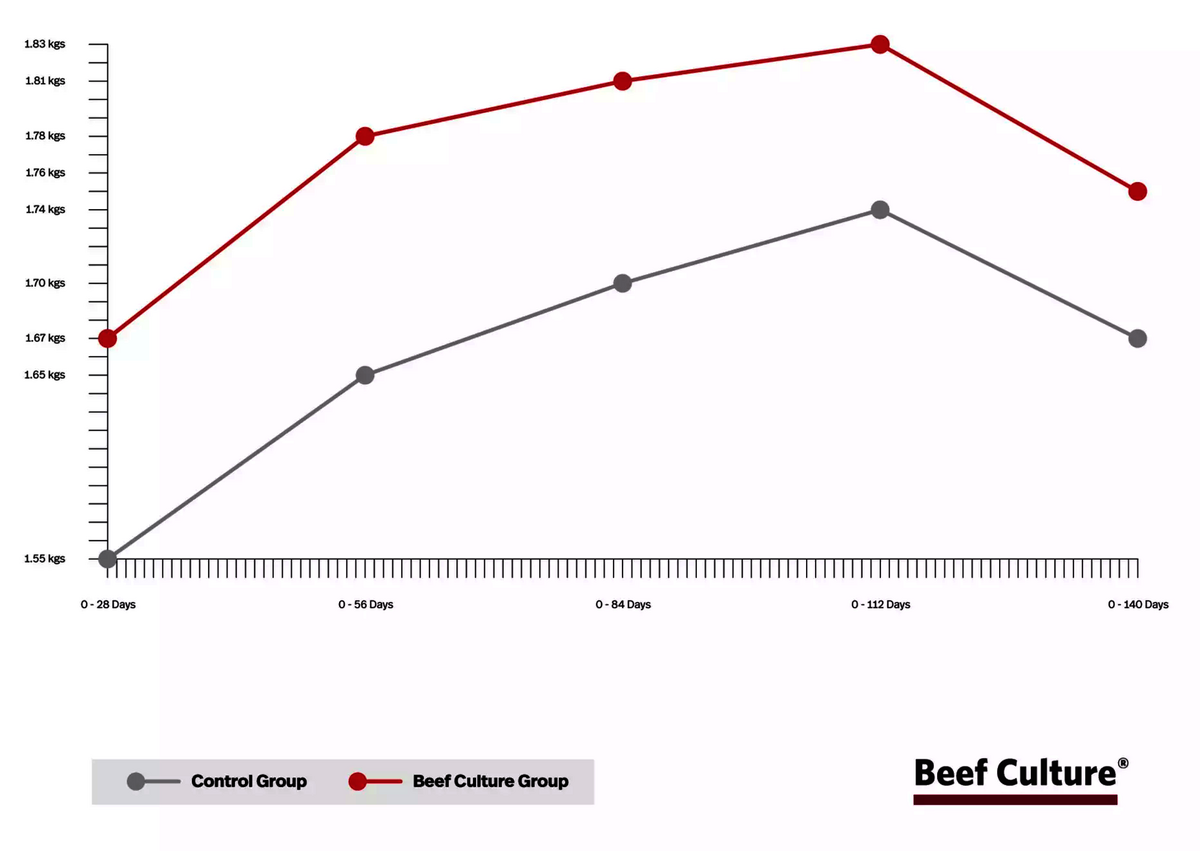
While responses to direct-fed microbials can vary depending on conditions, this study demonstrates the potential for meaningful production gains under commercial feeding systems. Across multiple studies, typical average performance improvements are more consistently observed in the range of 2.5-3%.
The results demonstrated the value of incorporating Beef Culture into commercial feeding programs:
- Improved Growth Performance: steers receiving microbial supplementation showed a 4.3% increase in average daily gain (ADG). The top-performing group achieved a 14 - 15 kg live weight advantage over the control.
Enhanced Feed Efficiency: feed efficiency improved by approximately 2%, indicating better utilisation of feed, an important factor in reducing input costs.
Heavier Carcase Weights: supplemented cattle recorded a 2.2% increase in hot carcase weight (HCW), contributing to a higher overall yield.
Importantly, these performance gains did not come at the expense of carcase quality. The study found no significant differences in key grading parameters, including:
- Marbling
- Yield grade
- Dressing percentage
This reinforces that producers can drive productivity gains without negatively impacting market specifications.
From a practical standpoint, research has shown Beef Culture (Bovamine) can:
Increase average daily gain
Improve feed efficiency
Increase hot carcase weight
All while maintaining carcase quality standards.
As feedlot operators continue to balance input costs with performance outcomes, Beef Culture is a proven, evidence-backed nutritional solution. This study provides compelling evidence that strategic use of microbial supplementation will drive meaningful production gains in real-world feedlot conditions.
Research Reference: Galyean, M.L., Nunnery, G.A., Defoor, P.J., Salyer, G.B., and Parsons, C.H. (2000). Effects of live cultures of Lactobacillus acidophilus (Strains 45 and 51) and Propionibacterium freudenreichii PF-24 on performance and carcass characteristics of finishing beef steers. Burnett Center Internet Progress Report No. 8. Texas Tech University, Lubbock, TX.
*Results are based on controlled trial conditions. Performance outcomes may vary depending on management, diet, genetics and environmental factors.
Choose Beef Culture - Backed By Science, Proven By Performance