
Cadelga Feedlot’s Next Generation Leading Animal Welfare and Nutrition Innovations
Cadelga Feedlot’s Next Generation Leading Animal Welfare and Nutrition Innovations
Cadelga is setting a new standard in feedlot operations under the modern leadership of Jedd Johnstone.
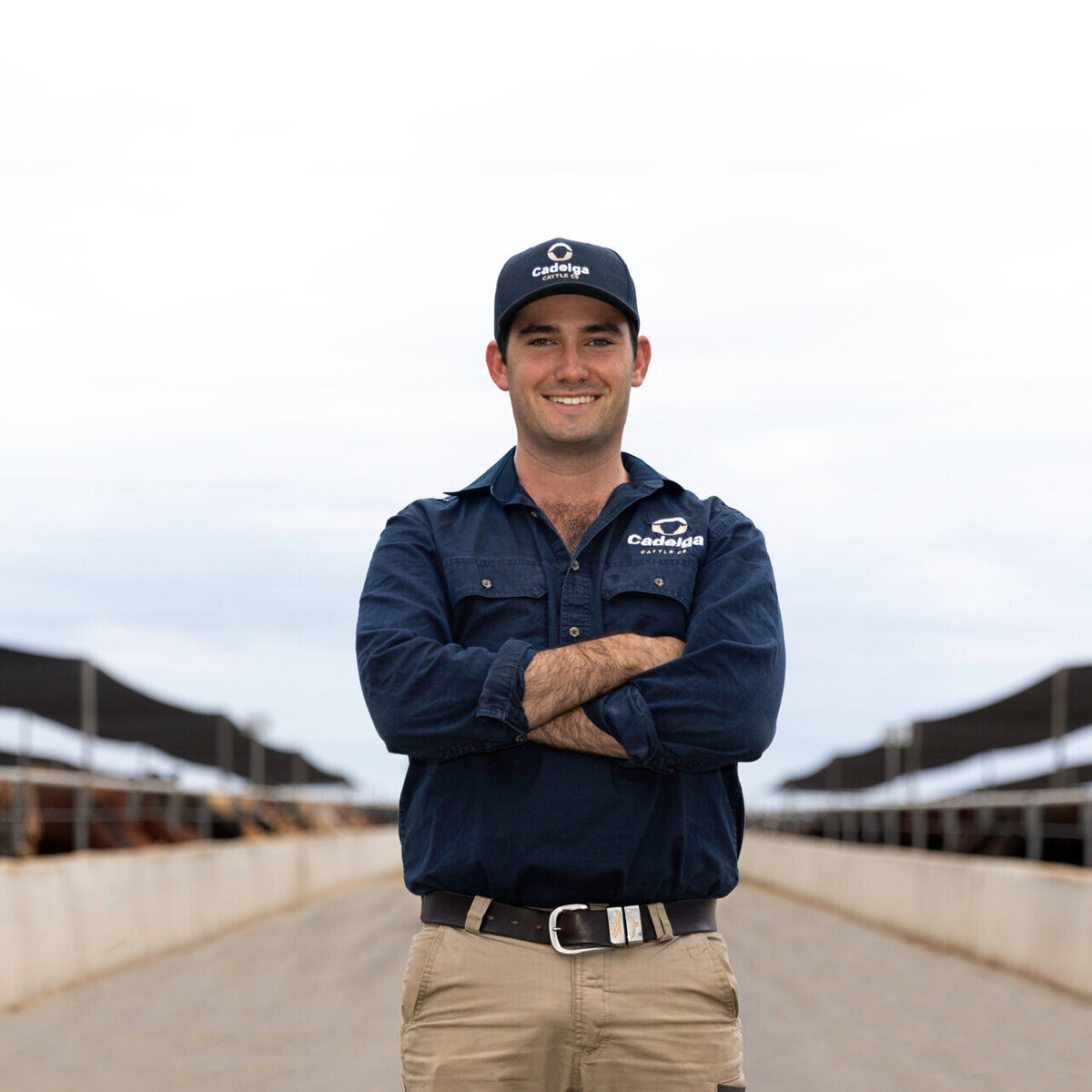
As Cadelga’s second generation and the current Innovation and Development Manager, Jedd is committed to advancing feeding systems and animal welfare across his family’s owned and operated feedlot.
“We are working towards being recognised as a benchmark feedlot for innovation and animal welfare,” says Jedd. “Our operation continues to evolve with a strong focus on efficiency and quality.”
After having a two year break from the business, Jedd returned to Cadelga in 2023 with a fresh perspective and new ideas. For Jedd, the key to innovation lies in analysing data and translating these insights into actionable improvements for the feedlot.
“Data contributes to all our decision making,” says Jedd. “Feedlots need to be financially switched on because every dollar counts.
“We wisely invest money into products and initiatives that are science based to improve our bottom line.”
Cadelga prioritises products that are evidence-backed and deliver measurable results for animal health and performance. Which is why they have used Beef Culture for many years and were the third feedlot to introduce Beef Culture Plus into their feeding program. Beef Culture and Beef Culture Plus are probiotics for feedlot cattle that improve nutrient absorption, immune health and daily weight gain.
“None of the other animal health products are as well-proven as Austasia’s,” says Jedd. “We know what we’re going to get from the data and the products don’t disappoint.
“When we first started using Beef Culture, we saw results from day one.”
Cadelga are currently participating in Meat and Livestock Australia’s Animal Welfare Benchmarking Program,an initiative designed to strengthen the standards and guidelines for cattle health. The innovations that Cadelga have implemented are significantly contributing to enhanced animal welfare practices across the feedlot industry.
“Animal welfare isn’t a standard, it’s a responsibility,” says Jedd. “Our cattle are not just a number.”
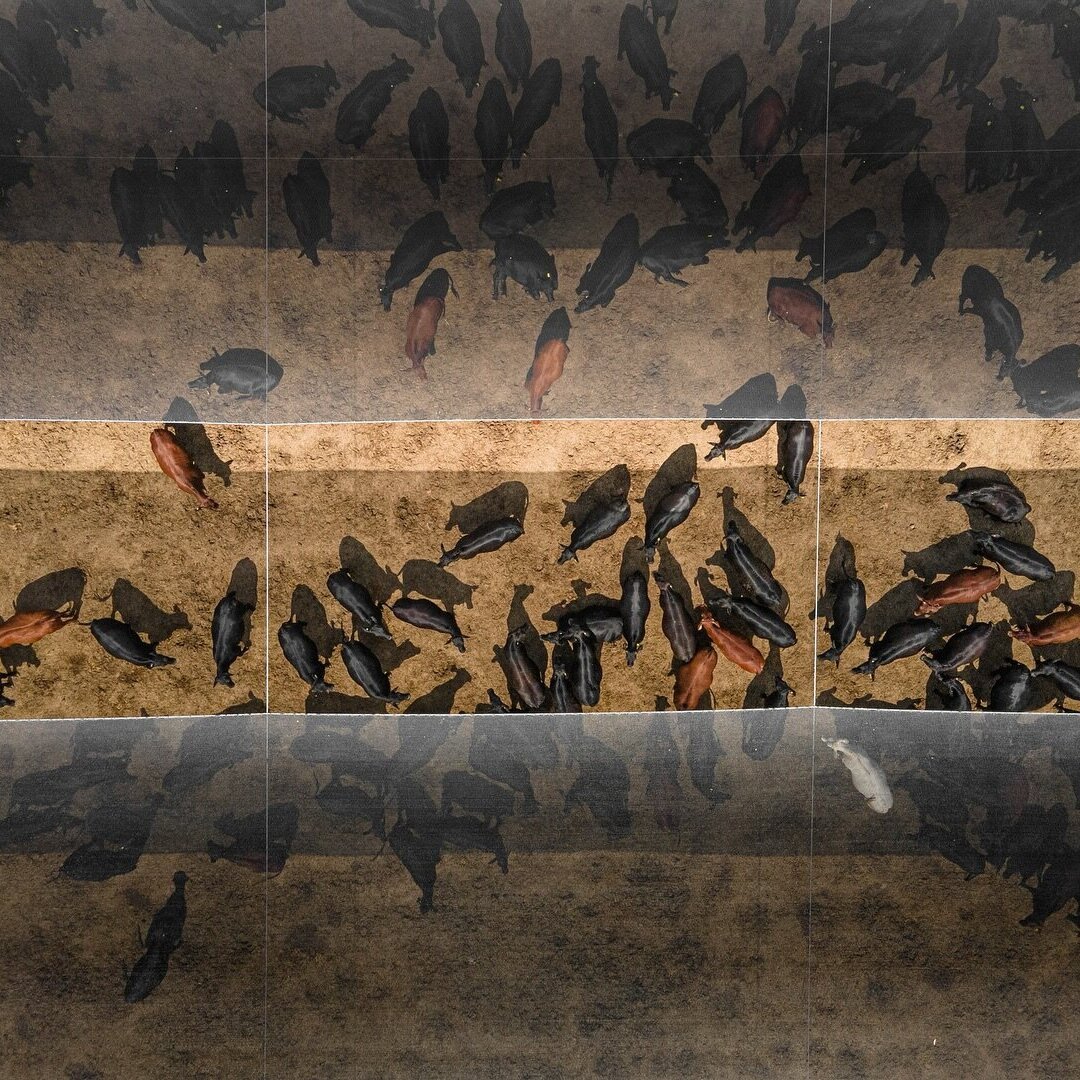
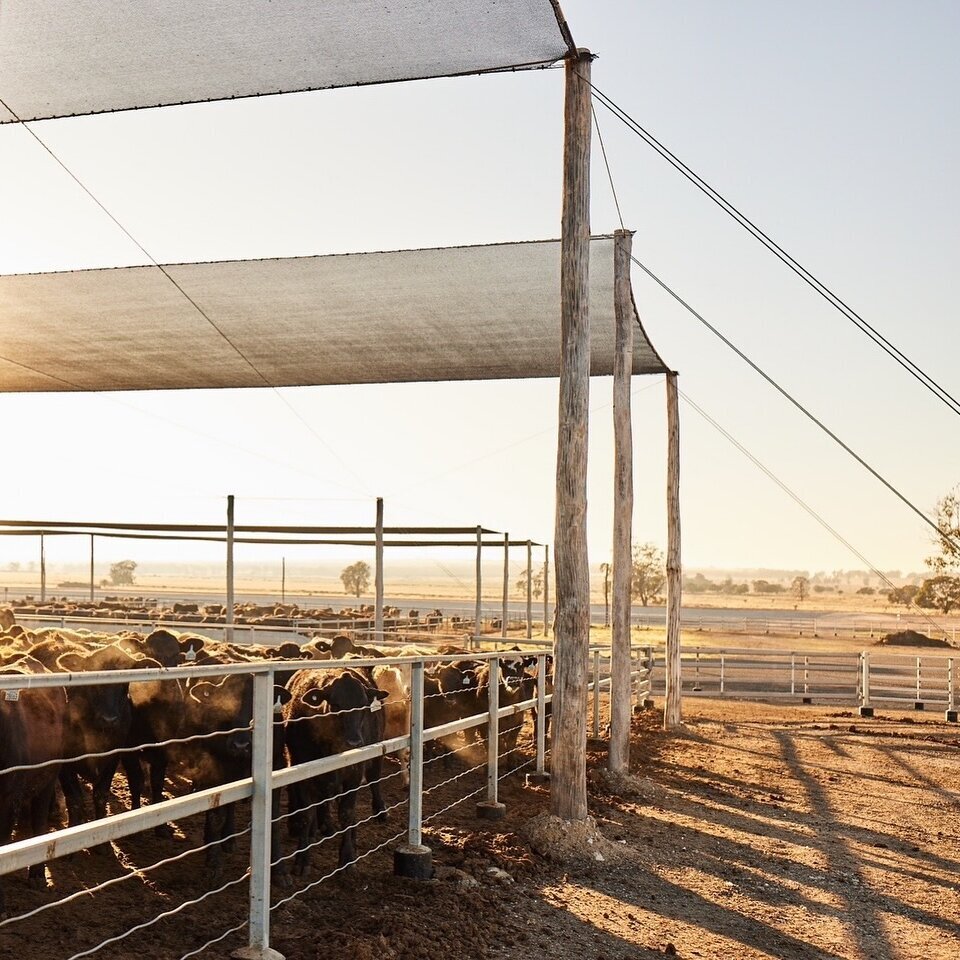
Cadelga have both a practical and conscientious approach to animal welfare. While one shade cloth over each cattle pen is the recommendation, Cadelga have gone a step further and installed two shade cloths per pen. The greater shade coverage allows the cattle to separate into smaller groups during hot days, reducing body heat stress and improving their overall comfort.
“We want to exceed expectations, not do the bare minimum,” says Jedd. “The cattle’s wellbeing directly impacts their health and performance, so it makes sense to invest in better shade and thoughtful designs.”
Cadelga also have an on-site weather station equipped with heat load monitoring software. As Hereford and Angus cattle respond differently to the heat, this system enables Cadelga to tailor transport arrangements to the specific health needs of each breed and achieve better animal welfare outcomes.
“We can communicate with trucking companies and abattoirs about the best times to truck out the different breeds of cattle,” says Jedd. “If it’s a really hot day, we’ll truck the Angus out after 5pm when it’s cooler.”
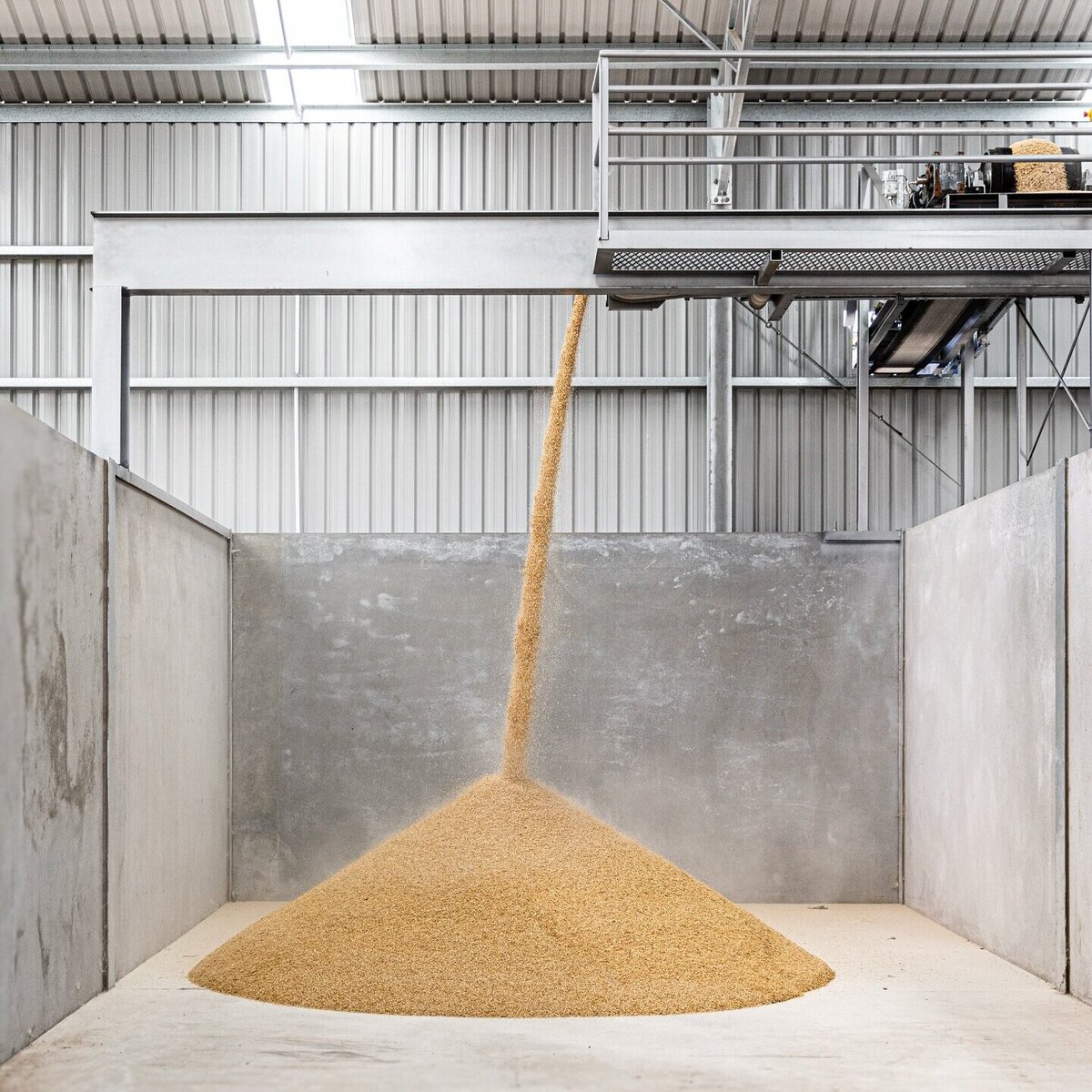
Jedd’s commitment to continuous innovations at Cadelga focuses on efficiencies that enhance both animal health and feedlot productivity. In November 2025, Cadelga implemented their new Commodity and Feed Mixing Facility to improve feed efficiency and streamline management operations.
“Our new milling system goes over the top,” says Jedd. “It’s high-tech, better quality and a lot more consistent.
“It’s probably triple the size of what we currently require but we’ve got big plans for the future.”
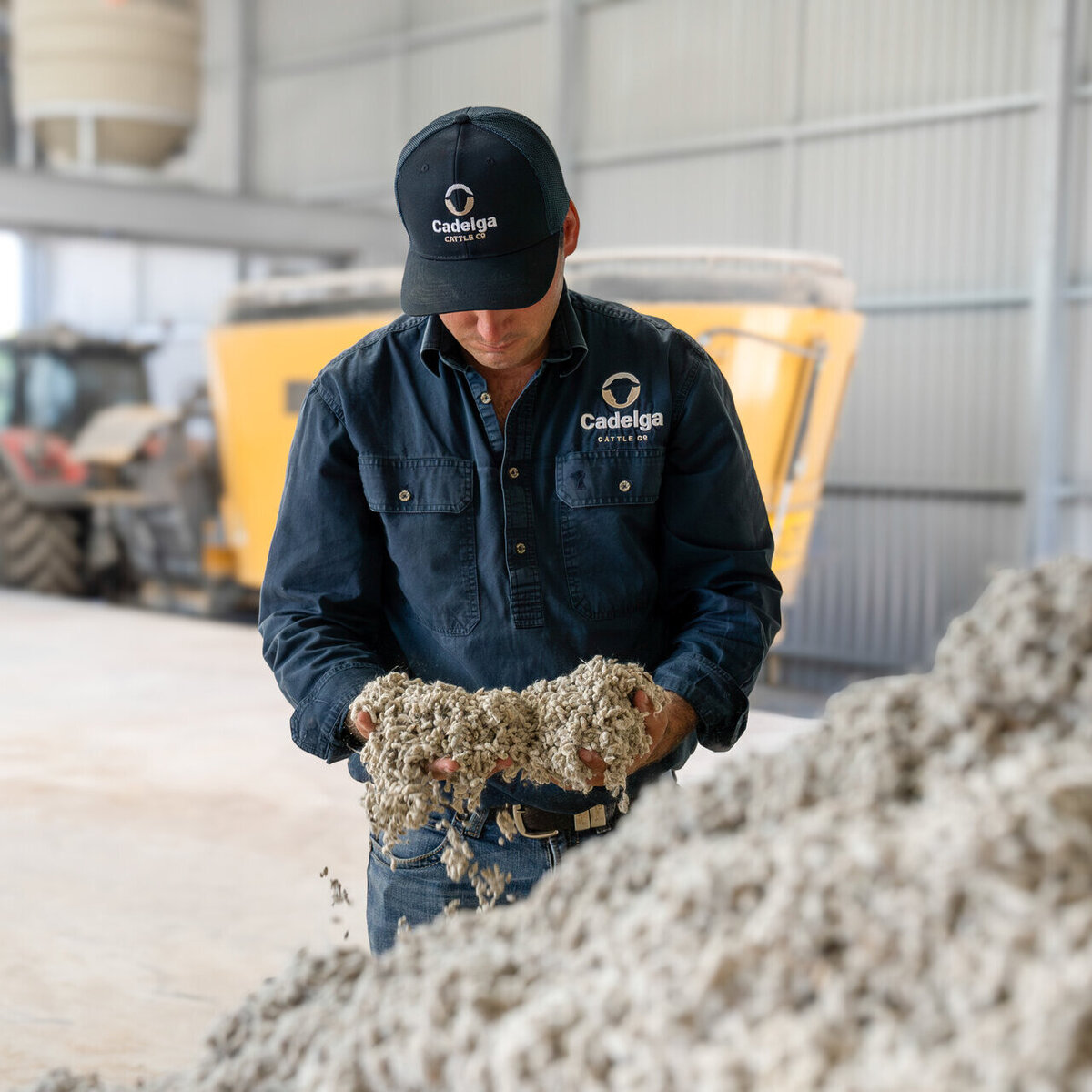
At Cadelga, innovation means analysing feed conversion data to guide strategic business decisions. This approach also led Cadelga to adopt another Austasia product, FlakeRite, when they upgraded to a new tempering system. FlakeRite is a non-ionic water surfactant that helps reduce milling wear and tear.
“We used FlakeRite in the very first feed mix from our new mill and we’ve been using it ever since,” says Jedd.
“Our nutritionist has said that he’s extremely impressed with the quality of the grain milled.”
The Austasia team have been very supportive of the new mill and want Cadelga to get the most out of their feed. Austasia’s Sales Representative for Cadelga, Tony Grob, is committed to providing ongoing support and expertise to ensure the system continues to perform at its best and delivers optimal results.
“Tony has been great,” says Jedd. “ He’s extremely hardworking, friendly and very contactable.
“I can talk to him about the broader feedlot industry and he is very knowledgeable. Always just a phone call away.”
Prior to the new mill, Cadelga’s commodities were stored outside, and mixed in-doors, which slowed down their feeding operations and made them more vulnerable to weather conditions. Now, with the upgraded system, all the feed processes are fully enclosed indoors, making the operation more efficient, accurate and reliable.
“It’s at least halved our previous feeding time,” says Jedd. “We regularly get compliments on the design and the quality of the facility.
“We’re very open about what we do.”
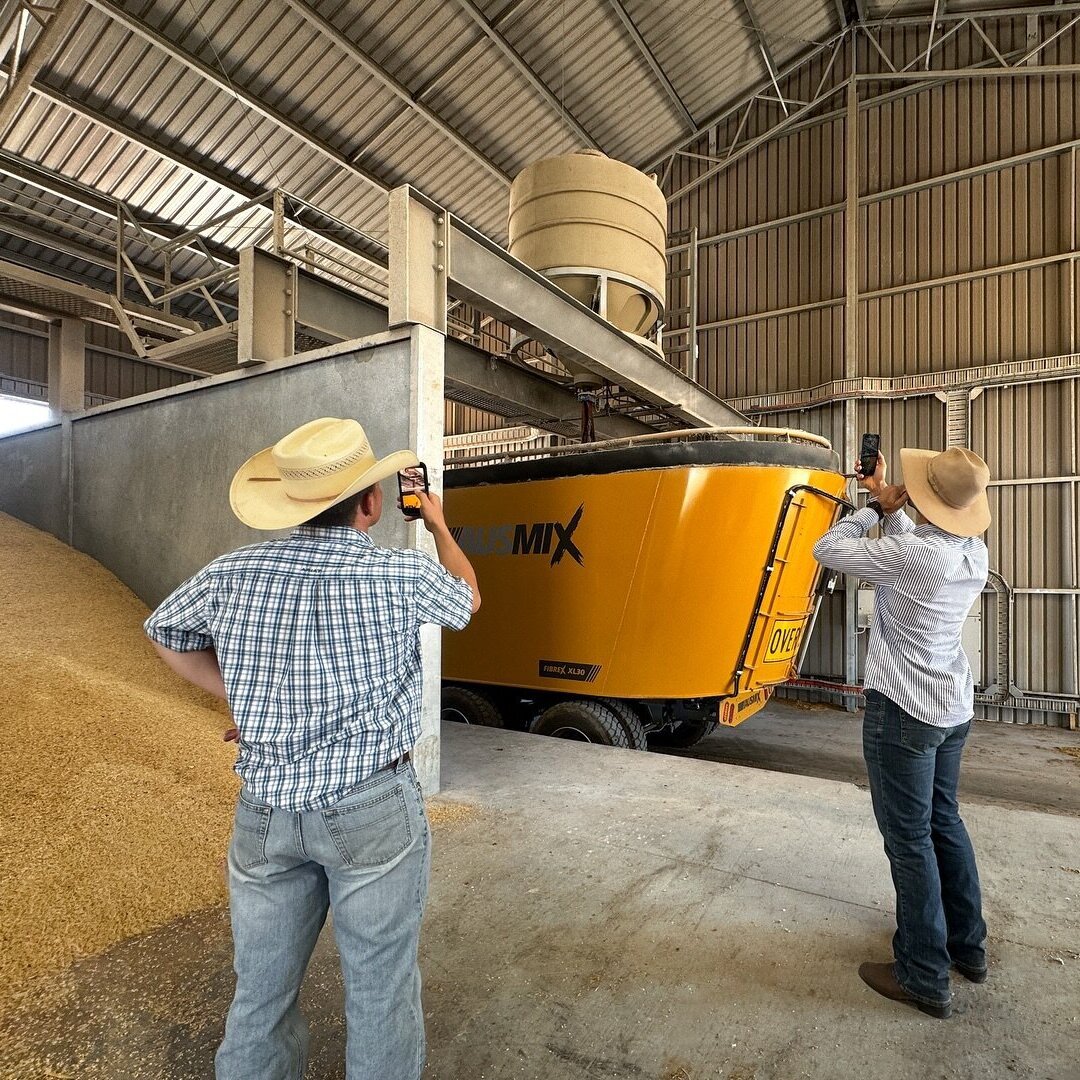
Jedd feels very proud to be working in his family’s owned and operated business. He values the knowledge his parents have passed on to him and is excited about the future of the industry.
“Over my time at Cadelga, my parents have helped me explore all sides of the feedlot business - from quality assurance to finance to logistics,” says Jedd. “They’ve helped me see the bigger picture of the entire operation.”
As a young person within the beef industry, Jedd recently took part in ALFA’s Margin & People Management Program. This consisted of three sessions in Sydney and an industry tour in Adelaide.
“The program covered so much and was very valuable to bring back to Cadelga,” says Jedd. “I got to meet a lot of like-minded people and I’m still in contact with most of them 18 months onwards.”
In Jedd’s eyes, the feedlot industry still has a lot of room for growth in terms of data interpretation and technological advancements.
“Innovations are designed to replace human error - not humans,” says Jedd. “For example, if a pen rider misses one sick steer every week, that adds up to 52 steers for the year which is a massive cost for the feedlot.
“We’re always looking for ways to implement technology and make it easier for people working in the feedlot industry.”